Signs of Brake Wear: How to Tell if Brakes are Worn
Brakes are one of the most important components of your vehicleand one of the systems that require the most attention, as your safety —and of those around you— depends directly on their proper functioning.
Squealing or metallic noises, as well as reduced braking responsiveness, may indicate that it’s time to replace your brake pads. Recognizing these warning signs early is essential to keeping your car or SUV in optimal condition and ensuring your safety on every drive.
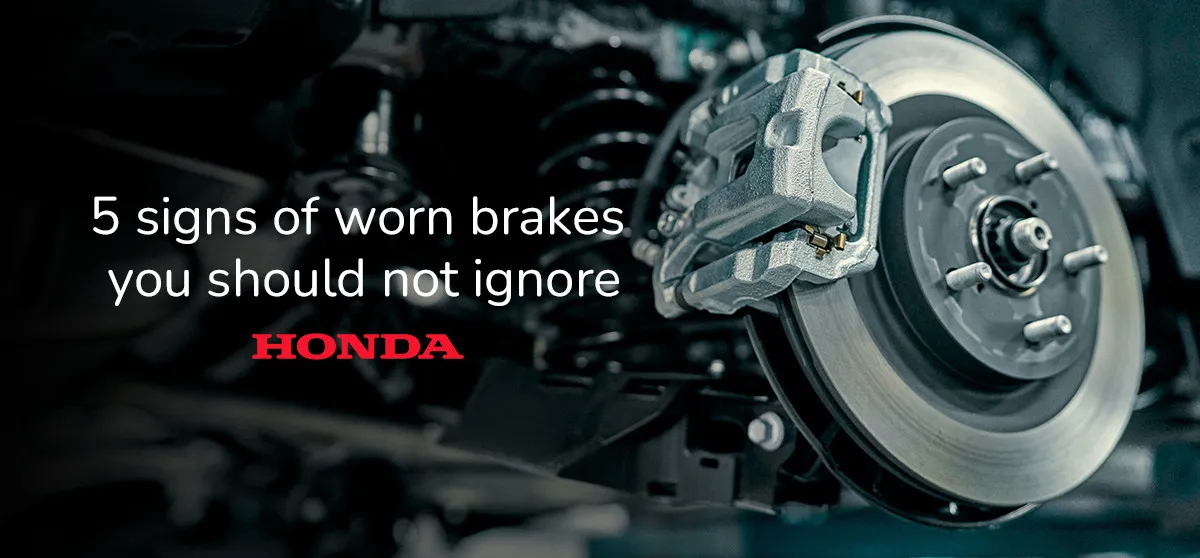
When you press the brake pedal, the brake pads clamp down on the discs that rotate with the wheels. The significant friction generated between them is what slows the vehicle down and eventually brings it to a complete stop.
Thisfriction causes thecomponentstowearoutover time, whichiswhybrakepadstypicallylastbetween 30,000 and 45,000 kilometers (about 18,000 to 28,000 miles). However, their actual lifespandependsonseveral variables. Here are someofthefactorsthat can influencehowlongyourvehicle’sbrakepadswilllast:
Driving habits: Frequent hard braking or consistently pressing the brake pedal firmly can significantly reduce brake pad life. On the other hand, smooth and gradual braking helps extend their durability.
Driving conditions:Heavy traffic with constant stop-and-go driving, as well as rough or uneven terrain, can accelerate wear. Roads with excessive dust, dirt, or loose sand can also increase friction,contributing to faster deterioration.
Brake pad quality: The type and quality of the brake components chosendirectly affect their performance and longevity. It is best to always follow the manufacturer’s recommendations.
Vehicle weight: Heavier vehicles place more stress on the braking system, which can lead to quicker wear.
Brake system maintenance:Regular inspections at your Honda Service Center and timely brake pad replacement help extend the life of the brake discs and prevent more serious system damage. Delayed or insufficient maintenance can negatively impact the entire braking system!
Brake components naturally wear down over time due to constant friction. This reduces braking performance and can create unsafe driving conditions. To help maintain your safety on the road, watch for the following warning signs:
Squealing braking sounds: This sound often occurs when the brake pad material becomes too thin.
Increased brake pedal travel:If you need to press the pedal harder than usual or notice reduced responsiveness, your brake pads may be worn.
Vibrations:A pulsating sensation in the brake pedal or steering wheel may indicatewarped brake discs, often caused by prolonged use of worn brake pads.
Brake pad thickness:Although it varies by model, brake pads should generally keepa thickness between ½ inch and ¼ inch. If they’re thinner than that, you should considerreplacing them.
Tire lock-up: This can happen due to damaged brake calipers, low brake fluid, or a problem with the parking brake. If it happens, the safest option is to pull over and call a tow truck.
Honda Service Center in Trinidad
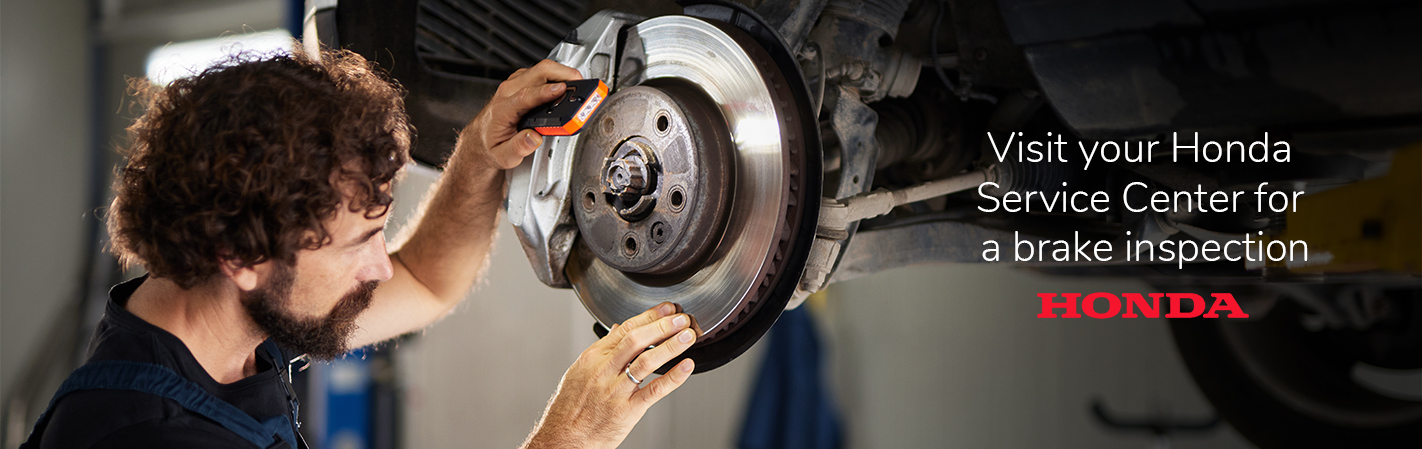
Don’t ignore the warning signs from your braking system. If you experience any of these symptoms, schedule an appointment at yourHonda Trinidad Service Centerfor a professional inspection.
Timelymaintenancehelps preserve yourvehicle’s safety and performance oneveryjourney!